
***ANNUAL MEETING IN PERSON WEDNESDAY MAY 7th 6 PM St. Philip’s Episcopal, Annapolis***
The Corporation for the Relief of Widows and Children of Clergy of the Episcopal Church in Maryland
We offer a broad range of benefits designed to benefit spouses, partners and dependent children.
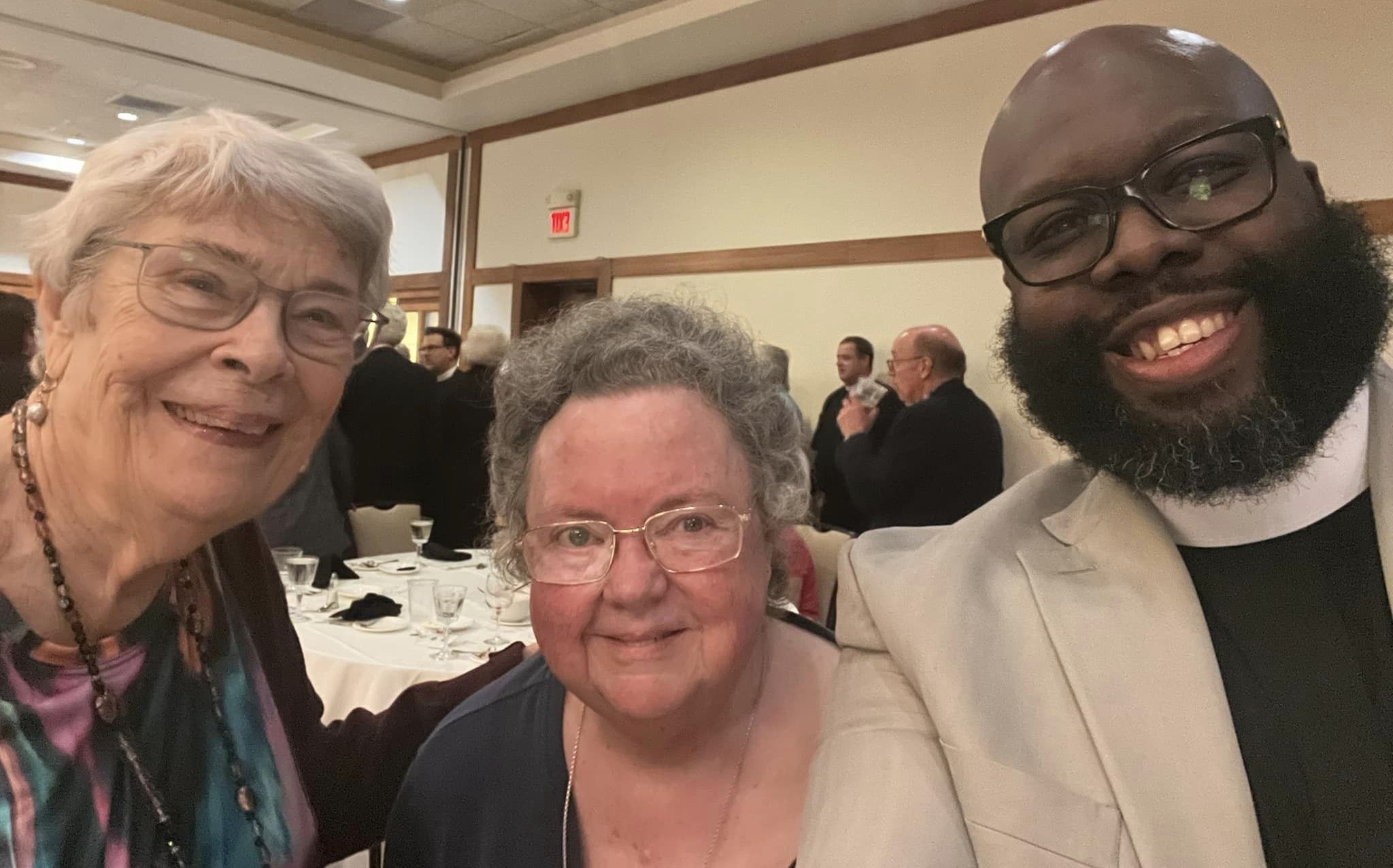
Our mission is to provide to members a fund for the relief of clergy families who have served The Episcopal Church in the state of Maryland and the District of Columbia.
Our vision is to be in intentional relationship with members and beneficiaries through faithful stewardship of The Corporation’s resources, inviting them to live in hope and enabling them to live with dignity.
Join
To join The Corporation, please fill out the application and send it with the $50 initial dues payment (check or through our online payment portal).
You can email it to us at admin@episcopalcorporation.org or send it to our mailing address:
The Corporation
4 E. University Parkway
Baltimore, MD 21218
Episcopal clergy canonically resident and serving in one of the three Corporation dioceses (Maryland, Easton, or Washington, DC) are invited to join The Corporation. Additionally, non-Episcopal clergy licensed by a bishop to serve in one of the three dioceses are eligible to join. Vested membership is granted after five years of canonical residence and dues payments (or five years’ service and payments for non-Episcopal clergy) in any of the three dioceses and may be continued if one moves to another diocese. Members who establish canonical residence in another diocese before five years are considered to have resigned but may rejoin and apply previous payments toward vesting if they return to a Corporation diocese. In other words, canonical residence and payments do not need to be consecutive–they simply must add up to five years to obtain vested membership.
If your beneficiary is not a spouse, you will need to obtain approval from the Board of Managers. The Corporation is governed by a nine-member Board of Managers who are elected at the annual spring meeting.
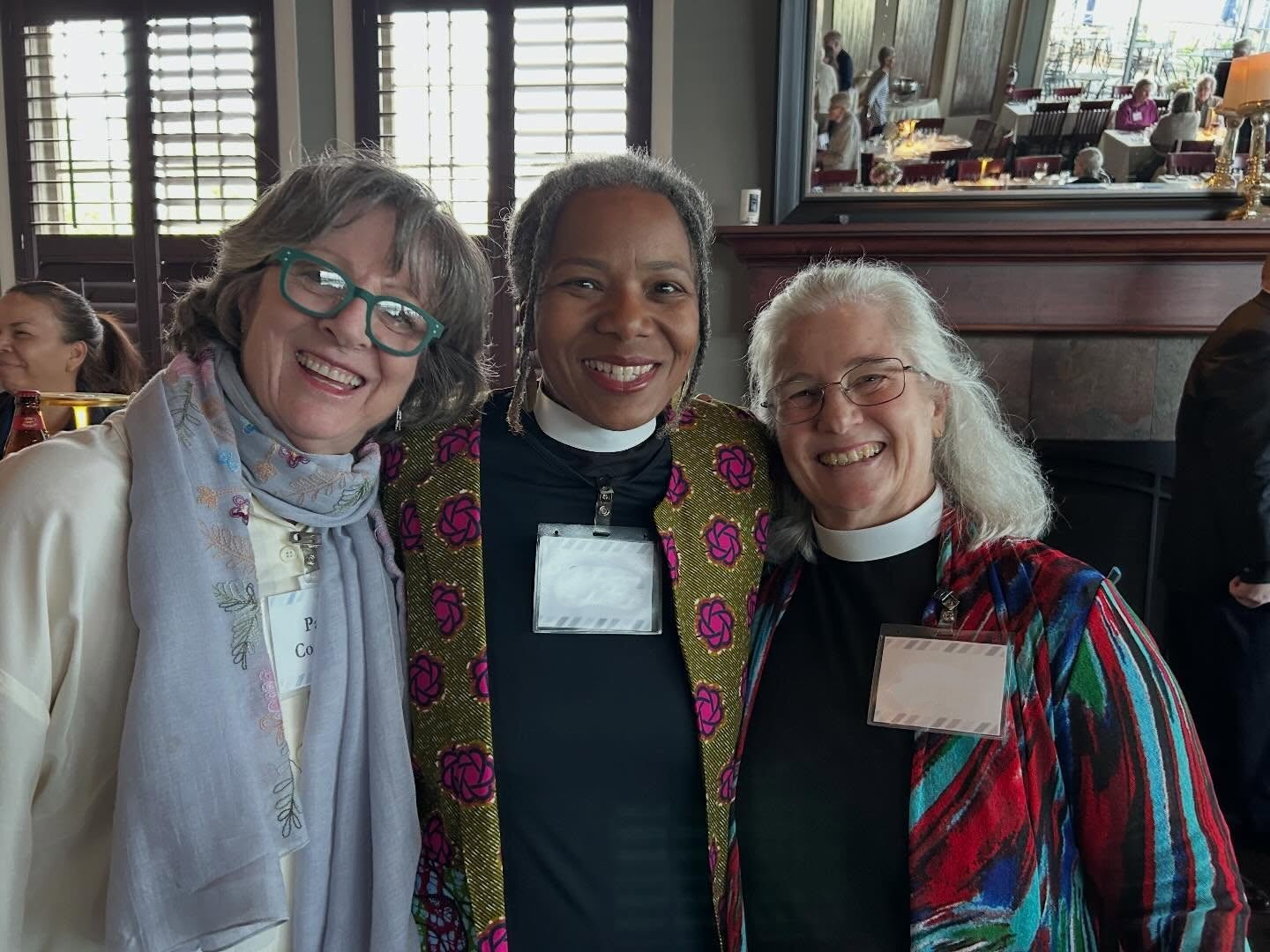
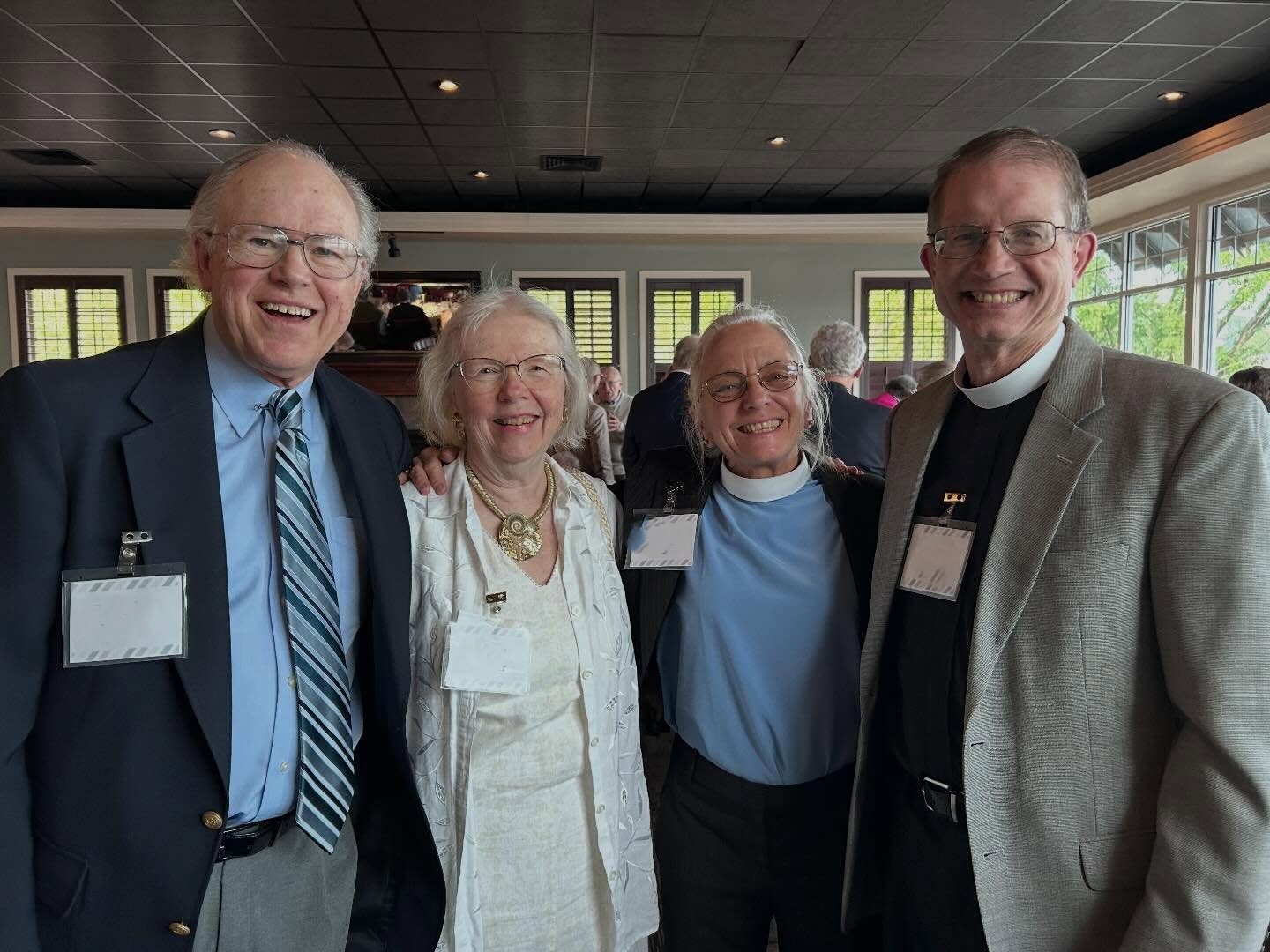

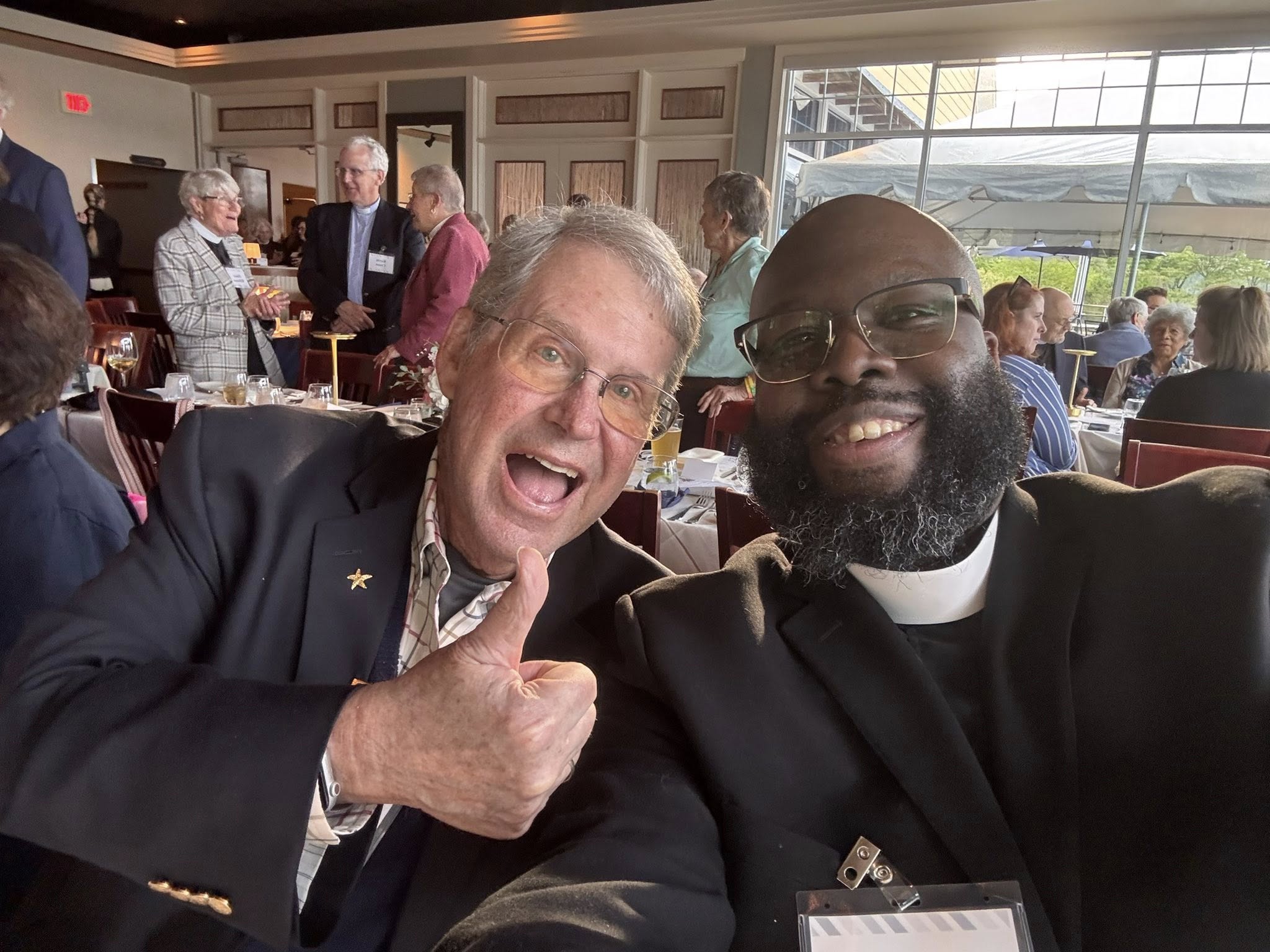
Benefits
The Corporation has been serving clergy and survivors since 1784. Our assets currently total over $50 million to benefit clergy and their spouses and children. Our investments and your membership go towards the benefits below:
- Need-based gratuities granted for emergency expenses and living expenses (see below)
- Annuity to beneficiaries (spouses and partners) of over $2,000 annually
- A $10,000 death benefit to beneficiaries, members, and next of kin to help cover funeral and end-of-life expenses
- Complimentary dinner for the named member and a guest at the annual spring meeting and a voucher toward childcare
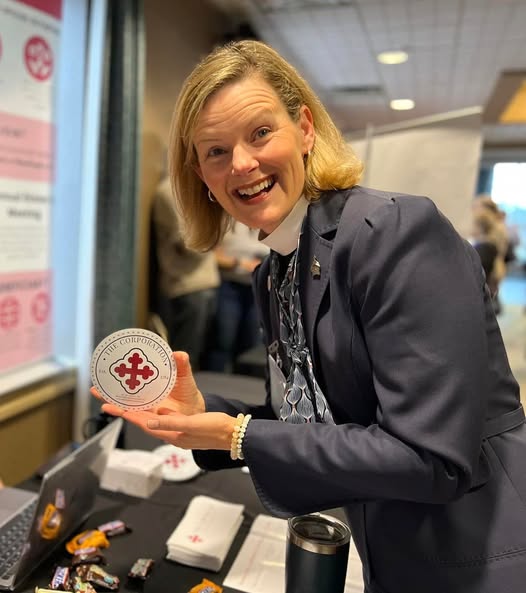
Gratuity Requests (Beneficiaries only)
Make an Emergency Request – If you have an unexpected expense and need financial assistance, please call or email us with the details of the situation. You will need to provide an invoice, receipt, or other documentation of expense, and if you have made over $2000 in requests for the year, documentation of your income.
Make a Regular Gratuity Request – If you foresee having a shortfall in your income, you can make a regular gratuity request to cover that shortfall. Fill out a Confidential Financial Report (CFR), include documentation of income and expenses, and submit by March 1st. The board meets in the middle of March to discuss requests, and funds are distributed in March and October. Click below to download the CFR form along with instructions.
CFR Form | CFR Instructions


Update Information
This is where you can update your and your beneficiary’s contact information.
Don’t feel like you have to fill the whole form out if you only have a few things to change/update.
Board & Staff
Staff
The Rev. M. Joanna White, Executive Director
The Rev. Jan Hamill, Chaplain
Nancy Murphy, Financial Secretary
Rachel Erdman, Administrative Assistant
Officers
Mark Delcuze, President
Kevin Cross, Vice President
Lauren Bloom, Secretary/Treasurer

The Rev. Mark S. Delcuze was made Rector Emeritus of Christ Church Parish, Kent Island, following his retirement in 2023. Since then, he has served several parishes in Easton & Maryland as long term supply clergy. In Easton he served as Vice President of Diocesan Council, Dean of the Middle Convocation, and a member of the Standing Committee. He has served the wider church as a five time deputy to the General Convention and as Ecumenical Officer in two dioceses. He and his wife Mimi have shared an Anglican-Roman Catholic marriage for over 40 years. Their two married daughters and four grandsons all live in the Boston area.
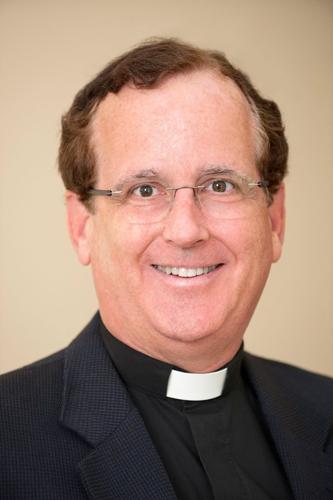
The Rev. Kevin Cross has served as rector of Trinity Church in Oxford, Maryland, since 2010. In the Diocese of Easton, Kevin has served as a member and leader of numerous task forces and committees including the Standing Committee, the Diocesan Council, the Commission on Ministry, the Bishop’s Listening Committee, and as a deputy to the 78th annual General Convention of the Episcopal Church. At that convention he co-authored two resolutions adopted by the convention regarding new church alcohol and drug policies. He has also been a guest lecturer at General Theological School and national conferences on Youth, Addiction and Spirituality.
In addition to continuing diocesan work Kevin served on the board of Talbot Hospice and on the chaplaincy staff of the National Cathedral. He also serves as chaplain to the Oxford Police and Fire Departments. In recent years he has also served as a visiting priest at St. Bartholomew’s Anglican Church in the Caribbean and raised funds to assist the Diocese of the North Eastern Caribbean and Aruba with their recovery from hurricane Irma.
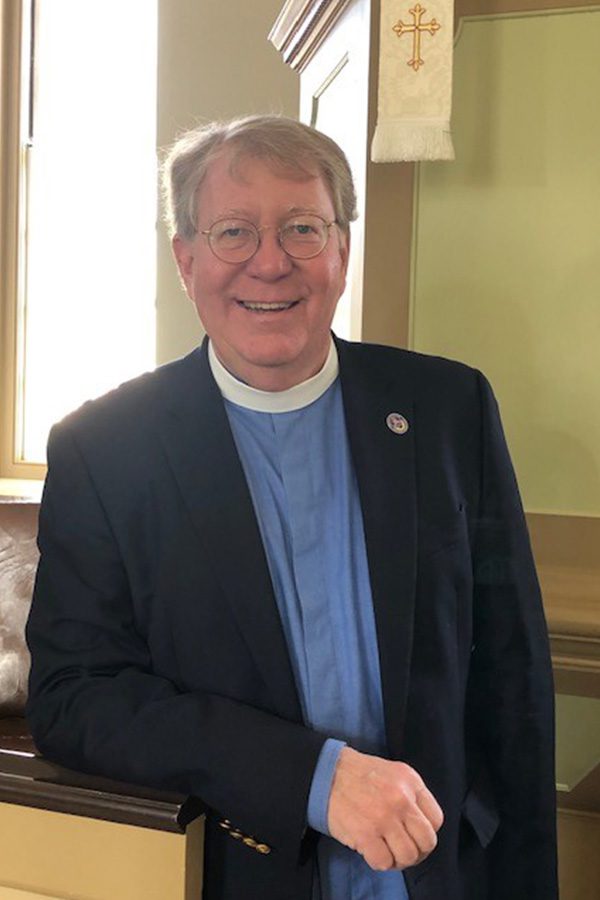
The Rev. Charlie Osberger has recently retired as rector of Wye Parish, Queenstown and Wye Mills in the Diocese of Easton after thirty-six years of service. He also served as Dean of the Middle Convocation. Charlie graduated from the University of Southern California, Fuller Seminary in Pasadena, California and Trinity Episcopal School for Ministry, in Ambridge, Pennsylvania. He is married to the Rev. Frieda Malcolm, who is also a member of The Corporation.
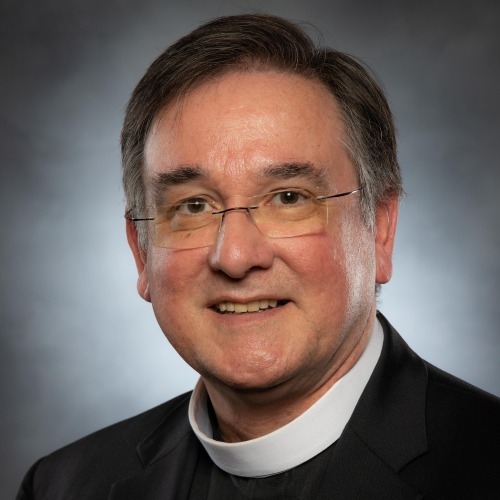
The Rev. Vaughn Vigil has been a deacon in the Diocese of Maryland since 2016. His focus of ministry is on service, mission, and outreach—both locally and globally. Fluent in Spanish, he has led groups to Cuba and is committed to supporting The Episcopal Church in Cuba. He works as the Systems Administrator (and sometimes deacon) of Christ Lutheran Church, Federal Hill. He is also a widower, after 30 years with his partner Bryan.
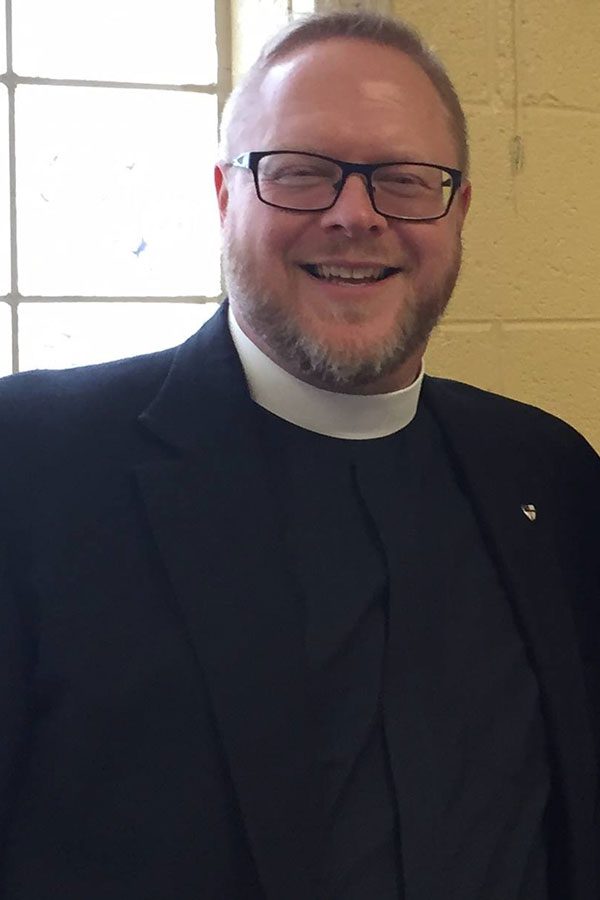
The Rev. David Wacaster is the rector of Grace Episcopal Church in Georgetown, Washington, DC. David grew up in the Diocese of Mississippi and graduated from Sewanee in 1992. After college he spent two years as a children’s mental health case worker in Clarke County, Mississippi. In 1994 he moved to Washington, DC, to be a member of the National Cathedral’s Volunteer Service Community and volunteered for Sasha Bruce Youthwork, Inc., an organization dedicated to serving runaway and homeless adolescents. He then spent six years organizing on behalf of The Episcopal Church as a staff member for the Government Relations Office. He entered the Virginia Theological Seminary in 2001 and was ordained a priest in 2005. In the Diocese of Washington, David is active in the ongoing work of anti-racism.

The Rev. Glenna J. Huber is the rector of the Church of the Epiphany in Washington, DC. Before joining Epiphany, she served as vicar at the Holy Nativity Episcopal Church in Baltimore. She has also served as a consultant for urban congregations on the efficacy of community organizing in congregational development.
Glenna has experience in working in a variety of communities and neighborhoods ranging from suburban affluent neighborhoods to under served and economically depressed environments.
Other positions held in the community are as a board member of the Episcopal Urban Caucus and, in Maryland, Episcopal Service Corps, Holy Nativity St. John’s Development Corporation, and the Parks Heights Community Health Alliance and the former Pimlico Road Youth Program.
Glenna received a Master of Divinity degree from The General Theological Seminary in New York and her undergraduate degree in history from Spelman College in Georgia.
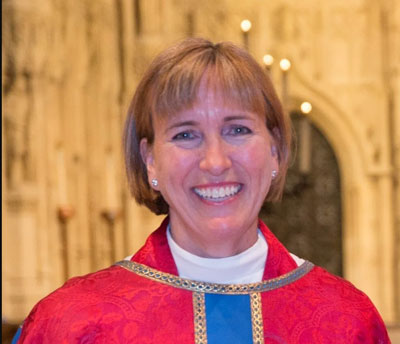
The Rev. Marilyn Jenkins recently retired as Priest-in-Charge at St. George’s Episcopal in Washington, DC.. She has been serving there since 2020, and prior to that was Associate Rector at St. Monica and St. James on Capitol Hill. Marilyn discerned a call to the priesthood after retiring from almost 30 years as an intelligence officer in the United States Air Force. She graduated from Berkley Divinity School at Yale and was ordained as a priest in 2018. She brings a love of the Episcopal faith tradition and a passion for sharing the gospel.
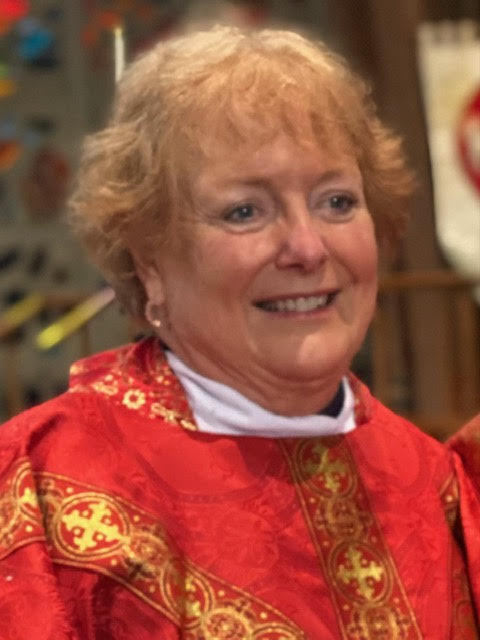
The Rev. Lauren Bloom attended Virginia Theological Seminary and was ordained a priest in 2022. She currently serves as the Priest in Charge at St. Luke’s Episcopal Church in the Eastport neighborhood of Annapolis, Maryland. Before entering the priesthood, Rev. Lauren worked as an attorney, focusing on ethics, professionalism, and nonprofit association law.

The Rev. J. Joseph Hart is Director of Spiritual Support and Executive Director of GBMC’s Center for Spiritual Support Training. Joe earned his Bachelor of Arts degree in Gerontology and Health Care from Salisbury University, his Bachelor of Sacred Theology and Master of Divinity from St. Mary’s Seminary and University. He continued his studies at Catholic Theological Union in Chicago in Church Interior Design Consultation and most recently studied mind body medicine at Harvard Divinity School.
Joe is Clinical Supervisor with candidates for ordination to the diaconate and priesthood in the Diocese of Maryland.
Fr. Mark graduated from the School of Theology of the University of the South, Sewanee in May of 2022. He was ordained a priest the next month in Baltimore. Prior to the ordination process, Fr. Mark was a Special Educator in Baltimore City Schools. In his spare time he enjoys reading, biking and hiking with his wife, and spending time with their dog, Nahla.
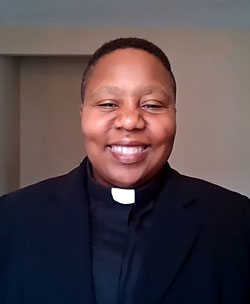
The Rev. Rondesia Jarrett-Schell attended seminary at the Church Divinity School of the Pacific in Berkeley, California. She has been a priest in the Diocese of Washington for past the 16 years, serving in various parishes and ministries, most recently as the interim rector of St. Stephens and the Incarnation Episcopal Church, DC. She is trained in organizational leadership and is a facilitator for the Kaleidoscope Institute. She is a community builder through her work as a residential minister at Georgetown University and as a Regional Dean of EDOW. She currently serves as pastor of The Well, Bowie.
Pay Online
To pay your annual dues, back dues or other fees, please use the payment portal linked below
to pay conveniently and securely with your credit card or checking account.
History
2021 End-of-Year Message from The Corporation
2022 End-of-Year Message from The Corporation
Frequently Asked Questions
Members
Membership & Dues
Q: Who can become a member?
A: Any ordained minister – Episcopal or non-Episcopal clergy authorized by a bishop – serving an Episcopal congregation or organization in one of the three Corporation dioceses: Maryland, Washington, or Easton. (Episcopal clergy must be canonically resident in one of the three dioceses.)
Q: How do I sign up?
A: You need to fill out the Member Information/Beneficiary Designation form, which you can find online or request from our office. You will also need to pay your first year’s dues ($50), either from the payment portal on our website or by check.
Q: Why do you need Social Security numbers?
A: To disburse benefits, IRS regulations require we have Social Security numbers from the member and beneficiary; to facilitate a speedy process (and to avoid having to intrude on the beneficiary when they are grieving), it is best to have this information ahead of time.
Q: What does it mean my membership is "backdated" to the last Annual Meeting?
A: The Corporation counts years of membership from each Annual Meeting (first Wednesday in May), rather than by calendar year. Thus, even if you join in January of 2020, your technical membership is backdated to the previous Annual Meeting, which would be May 2019. This means that after paying your initial dues of $50, you would need to pay another $50 for 2020 dues before the Annual Meeting in May.
Q: Why can't I pay my dues all at once?
A: The Corporation was established to serve the beneficiaries of Episcopal clergy in the state of Maryland and the District of Columbia. To ensure that members have sufficient stake in the dioceses of Maryland, Easton, or Washington, DC, we require that they have five years of canonical residence and dues payments before they are “vested.” After that, they may go to a non-Corporation diocese and still retain membership; they may also pay the remaining balance of their dues, either online or by check.
Q: What happens if I miss a payment?
A: The Corporation staff do our best to send out reminders of dues owed when we send out the information for the Annual Meeting. Still, we understand sometimes people forget. As soon as you realize that you are behind in payments, please catch up online or with by check. If you’re not sure about the status of your dues, please contact us by phone or email. We cannot guarantee benefits if you are not up to date on payments.
Q: Can I get my dues back if I leave a Corporation diocese before I'm vested?
A: No. According to our bylaws, Article V, Sections 5 & 6: “Any member may resign at any time and shall thereby forfeit any and all benefits provided by the Corporation…A member who leaves having been a member less than five (5) full years shall be considered to have resigned.”
However, since the bylaw change in 2025, if a member leaves a Corporation diocese before vesting, and “the cleric later returns to one of the three dioceses and rejoins The Corporation, his or her previous term of membership shall be applied toward the five (5) year vesting period.”
Potential Beneficiaries & Next of Kin
Q: Who counts as a beneficiary?
A: Please consult this handy flowchart to determine who can be your beneficiary
Q: What is a "next-of-kin benefit"?
A: In the event that you do not have a beneficiary, you may still designate someone to receive a one-time death benefit of $10,000 to cover burial or other end-of-life expenses. This person must be next-of-kin, and will not be considered a beneficiary, nor will they receive a gratuity or annuity. According to the bylaws, article 5, section 7 (amended 2020):
The order of precedence for determining a member’s next of kin shall be as follows: independent adult children, parents, siblings, grandparents, nieces and nephews, aunts and uncles, cousins. If the member subsequently marries, enters into a domestic partnership, or has a dependent child, whether by birth or adoption, the member’s spouse and/or dependent child shall receive the death benefit[.]
Life Changes
Q: What if I pass away before I finish paying dues? Will my beneficiary receive anything?
A: Yes. If you die before paying the entire $750 in dues, your beneficiary is still eligible for all annuities, gratuities, and the death benefit. If you die and are not yet vested, but still canonically resident in one of the Corporation dioceses, your beneficiary still receives benefits upon your death.
Q: What if I become permanently mentally or physically incapacitated? Does my beneficiary need to wait until I die to ask for help from The Corporation?
A: Under the bylaw change passed at the 2022 Annual Meeting, designated beneficiaries may apply for gratuities if the member has become incapacitated, for instance if they are suffering from advancing Alzheimer disease. According to the bylaws, the definition of “incapacitated” is “the long-term and presumably permanent lack of sufficient physical or mental ability to manage one’s personal care, property, or finances. In its discretion, the Board of Managers may require evidence of incapacity in the form of a written statement from the member’s physician.”
Please note, this only applies to gratuity requests. The beneficiary will not receive the death benefit or an annuity until the death of the member.
Q: What if I get divorced? Who becomes my beneficiary?
A: As long as the divorce decree does not prevent it, a member who gets divorced may change beneficiaries to the new spouse even though first spouse survives. You will need to submit a new Beneficiary Designation Form to make the change.
Q: What happens if my spouse predeceases me?
A: If you do not have another beneficiary (i.e., an adult child financially dependent on you for reasons of disability), you should name a next of kin to receive the death benefit (see above). Additionally, you receive a $10,000 death benefit to cover end-of-life expenses for your late spouse.
Q: What happens if I am deposed or lose good standing in The Episcopal Church in some other way?
A: According to the 2024 bylaw revision, “A member who is deposed, renounces religious orders, or otherwise loses good standing within The Episcopal Church shall be considered inactive…. Inactive members shall be ineligible to receive benefits from The Corporation…. An inactive member’s beneficiary(ies) shall be entitled to receive full benefits if the member was designated inactive after at least five (5) years of membership and paid the full amount of any remaining dues within one (1) year of such designation. A member designated as inactive having been a member less than five (5) full years shall be considered to have resigned, and the member’s beneficiary(ies) shall be ineligible to receive benefits from The Corporation. In its discretion and for good cause shown, the Board may make an exception to a loss of benefits.” Please see bylaws for more information.
Q: How do I update The Corporation with new contact or other information?
A: You can either email us, call us, or fill out the form in the ‘Update Information’ tab. Please let us know of any changes to your contact information (including email and cell). It is especially important to have emergency contact information. Remember, if we can’t get in touch with you, we won’t be able to keep you updated with information or disburse funds for your beneficiary when they are needed.
Frequently Asked Questions
Beneficiaries
Q: What benefits do I receive when my spouse/partner/parent passes away?
A: If you are a primary beneficiary [VIEW INFOGRAPHIC], you will receive a $10,000 tax-free death benefit. After that, each January you will receive a taxable annuity. You may also apply for regular and/or emergency gratuities. If you are a secondary beneficiary, you also receive the tax-free death benefit and can apply for gratuities but are not eligible for an annuity. Finally, if you are a secondary beneficiary because you are a minor child of the deceased, you do not receive a death benefit or annuity, but your parent or guardian can request gratuities on your behalf.
Q: What is a gratuity?
A: A gratuity is money given for demonstrated need, in order to cover emergency, medical, or other living expenses. There are two kinds of gratuities: Regular and Emergency.
Q: What is a regular gratuity? How do I apply for one?
A: Regular gratuities are funds you can apply for ahead of when they are needed—generally, regular gratuities are meant to cover shortfalls in your income and/or for large expenses you expect to pay in the year.
The Board of Managers meets in March to review and approve regular gratuity requests, so applications should be in before then. When you receive your annuity check in January, there is a Confidential Financial Report (CFR) form you can fill out and send to us, along with your latest tax return (if applicable), and other paperwork documenting income and expected expenses.
If the Board approves your gratuity request, you will receive a check for half the amount in March; At the October board meeting, regular gratuities are reviewed and updated; the second part of the awarded amount is sent after that meeting.
Q: How do emergency gratuities work?
A: Emergency gratuities are funds you request for unforeseen expenses at the moment they are needed. To apply for an emergency gratuity, contact us by phone or email to begin the process. You will need to provide a receipt, invoice, or other documentation of the expense. While there is technically no limit to the amount of funds or number of times you can request, we do ask for proof of income (e.g., tax return) if your yearly request surpasses $2,000.
Q: What sorts of expenses do gratuities cover?
A: Beneficiaries of all ages have requested gratuities for such things as medical bills (prescriptions, procedures, dental work, etc.); household upkeep (flooring replacement, roofing, fumigation, appliances, etc.); and other needs (i.e., education for minor children up to undergraduate school, car repairs, assisted living, and pre-planning funeral expenses). If you are unsure whether your request “qualifies” for a gratuity, please contact us.
Q: Can I decline the death benefit or annuity?
A: Yes. Please request a Declining Benefits form so that we have it on record. If you later change your mind, you may begin receiving benefits again by contacting us.
Q: What if I remarry?
A: Congratulations! You are still a beneficiary and eligible for annuities and to apply for gratuities. Please let us know, though—we want to share in your joy (and record your new emergency contact information)!
Q: What is the Chaplain’s role in The Corporation?
A: The Chaplain is our front-line in pastoral care for you, particularly when you first become a beneficiary after the loss of your loved one. Our current Chaplain is the Rev. Canon January E. Hamill; generally, she will be the one who offers initial condolences from The Corporation. She also sends booklets to help guide you through the grieving process and is available to be in contact with you by phone, mail, online, or (if possible) in person. The Rev. Hamill uses the annual prayer cycle (which lists each of our beneficiaries) to pray for you each week and sends note to check in when your name comes up. If you have a pastoral concern, please get in touch by calling the office or emailing chaplain@episcopalcorporation.org.
Q: How do I update my contact information?
A: Beneficiaries can also use the form under the ‘Update My Information’ tab on the website. You can also call or email us or send your updates by post. It is particularly important to give us your emergency contact information (including email and cell number).
Contact us
To contact us, you can use any of the information below. We ask that all members email or call us if their contact information changes, or if they are in need of pastoral counsel or financial assistance. Please notify us immediately upon the death of a member or beneficiary and include information about the date, next of kin and any service details. Thank you for your membership with The Corporation for the Relief of the Widows and Children of the Clergy for the Protestant Episcopal Church in Maryland.
Mailing Address
4 E. University Parkway
Baltimore, MD 21218
Get in Touch
(410) 467-1399, Ext. 1362
1-800-443-1399
admin@episcopalcorporation.org